When traveling in Asia, a VPN is important for securing your data on public Wi-Fi and accessing content from back home.
It protects your privacy, helps you bypass geo-restrictions on streaming services, and helps with staying safe online.
In this guide, we’ll highlight the best VPNs for tourists in Asia, offering strong security, fast speeds, and reliable connections so you can stay safe and connected throughout your trip.
What to Look for in a VPN for Asia
When choosing a VPN for your trip to Asia, consider these key features:
- Security and Privacy: Look for strong encryption (AES-256) and a no-logs policy to keep your data private and secure.
- Fast Connection Speeds: A good VPN should offer fast speeds for seamless browsing, streaming, and downloading, especially when accessing content from other countries.
- Ease of Use: The VPN should have a user-friendly app for your device, with simple setup and intuitive navigation.
- Server Locations: Opt for a VPN with servers in or near Asia for optimal performance. Servers in nearby countries like Singapore or Hong Kong can also provide fast connections.
- Unblocking Content: Choose a VPN that can bypass geo-restrictions, allowing you to access streaming platforms like Netflix, YouTube, and more while traveling.
These features ensure that you can browse securely, stream content, and access services without any hassles during your stay in Asia.
Best VPNs for Tourists in Asia
| VPN Provider | Key Features |
|---|---|
| ExpressVPN | Servers in 90+ countries, top-tier encryption, no-logs policy, great for streaming |
| NordVPN | 5,000+ servers globally, double encryption, great for security |
| Surfshark | Unlimited devices, CleanWeb feature to block ads, servers in Asia |
| Mullvad | No personal details required for sign-up, strong encryption, no-logs policy |
| ProtonVPN | Servers in 60+ countries, no-logs policy, free plan available |
ExpressVPN
ExpressVPN is known for its speed, security, and reliability.
Features:
- Servers in 90+ countries, ensuring fast connections and reliable performance.
- Top-tier encryption and a no-logs policy to protect your data.
- Great for accessing streaming services like Netflix and YouTube without restrictions.
NordVPN
A trusted name in the VPN world, NordVPN offers strong security and an extensive server network.
Features:
- Over 5,000 servers globally, including in Asia for optimal performance.
- Double encryption for enhanced security, perfect for browsing securely.
- Fast enough for smooth streaming and browsing.
Surfshark
An affordable yet feature-packed option, Surfshark excels at providing value without compromising on quality.
Features:
- Unlimited devices can connect at once, ideal for groups or families.
- CleanWeb feature blocks ads, trackers, and malware, improving your browsing experience.
- Servers in Asia and nearby regions for fast and stable connections.
Mullvad
Mullvad is focused on privacy, offering strong encryption and a no-questions-asked sign-up process.
Features:
- No personal details required to create an account, ensuring anonymity.
- Strong security features with reliable connections for secure browsing.
- Servers in multiple countries, including nearby Asia, for high-speed access.
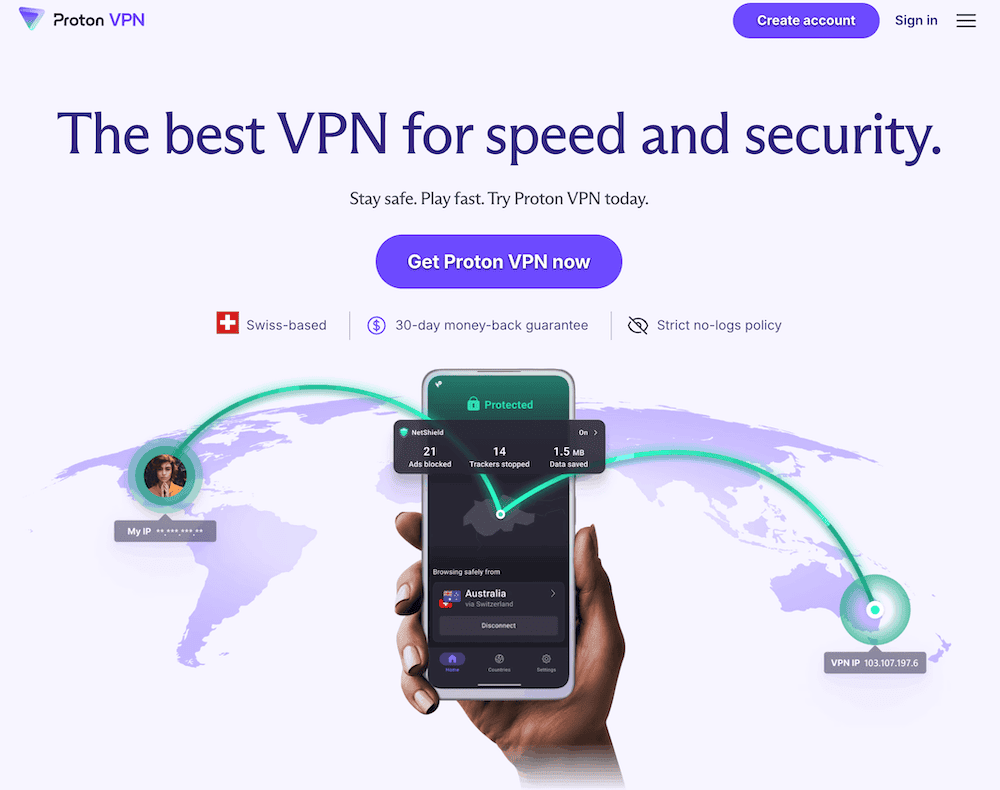
ProtonVPN
ProtonVPN is renowned for its privacy-first approach and robust security features.
Features:
- Servers in 60+ countries, including locations close to Asia for fast connections.
- Strong no-logs policy and advanced encryption, perfect for security-conscious travelers.
- Free plan available with essential features, and paid plans offer even more access.
How to Set Up Your VPN in Asia (Simple Guide)
1. Sign Up for a VPN
Visit the official website of your chosen VPN provider and sign up for an account. Most VPNs offer quick sign-up and payment options.
2. Download the VPN App
Download the app for your device—whether it’s a smartphone (iOS/Android), tablet, or computer (Windows/Mac). You can find the app in your device’s app store or on the provider’s website.
3. Install and Open the App
After the download is complete, open the app. You may need to log in with your account credentials.
4. Connect to a Server
Once logged in, choose a server. If you want fast local connections, select a server in or near Asia. For accessing content from other countries, select a server in your home country (e.g., the U.S. or UK) or a nearby location like Singapore.
5. Start Browsing
After connecting to the server, you’re ready to browse the internet securely. All your data is now encrypted, and you can access websites or stream content without restrictions.
Pro Tip:
For maximum protection, leave your VPN on while using public Wi-Fi networks (like at cafes or hotels) to ensure continuous security throughout your trip.
When to Use a VPN as a Tourist in Asiahailand
Using a VPN as a tourist in Asia is crucial for securing your online activities, especially in specific situations.
First, always use a VPN when connecting to public Wi-Fi networks—whether in cafes, airports, or hotels. These networks are often unsecured, making them prime targets for hackers. A VPN encrypts your data, protecting your personal information from potential cyber threats.
If you need to access online banking or any sensitive accounts, using a VPN ensures your connection remains secure, safeguarding you from identity theft or fraud.
Additionally, if you want to bypass geo-restrictions on content, a VPN allows you to access sites and streaming platforms from your home country, unlocking otherwise restricted shows, news, and more.
Lastly, a VPN is essential if you’re concerned about privacy. It masks your browsing activity, preventing targeted ads and ensuring your online actions remain private while you travel.
Tips for Using a VPN in Asia
When traveling in Asia, take extra care when connecting to public Wi-Fi. Although free Wi-Fi is convenient, it’s often unprotected, leaving your personal data vulnerable. Always connect through a VPN to maintain security while browsing.
If you want to access content from your home country, select a VPN server located in your region. For the best speeds, opt for nearby servers, such as those in Singapore or Hong Kong, to enjoy smooth browsing and uninterrupted streaming.
Make sure to keep your VPN on during any online activities, such as shopping, banking, or checking email. This adds a layer of encryption that protects your personal data from hackers, especially on unsecured networks.
It’s also a good idea to avoid logging into sensitive accounts without a VPN. Using a VPN is the best way to secure your login information, particularly when dealing with passwords or payment details.
Lastly, while free VPNs might seem appealing, they can compromise your privacy by selling your data or offering unreliable services. Stick with trusted, paid VPNs for better security and reliability during your travels.